
Updated July 2026
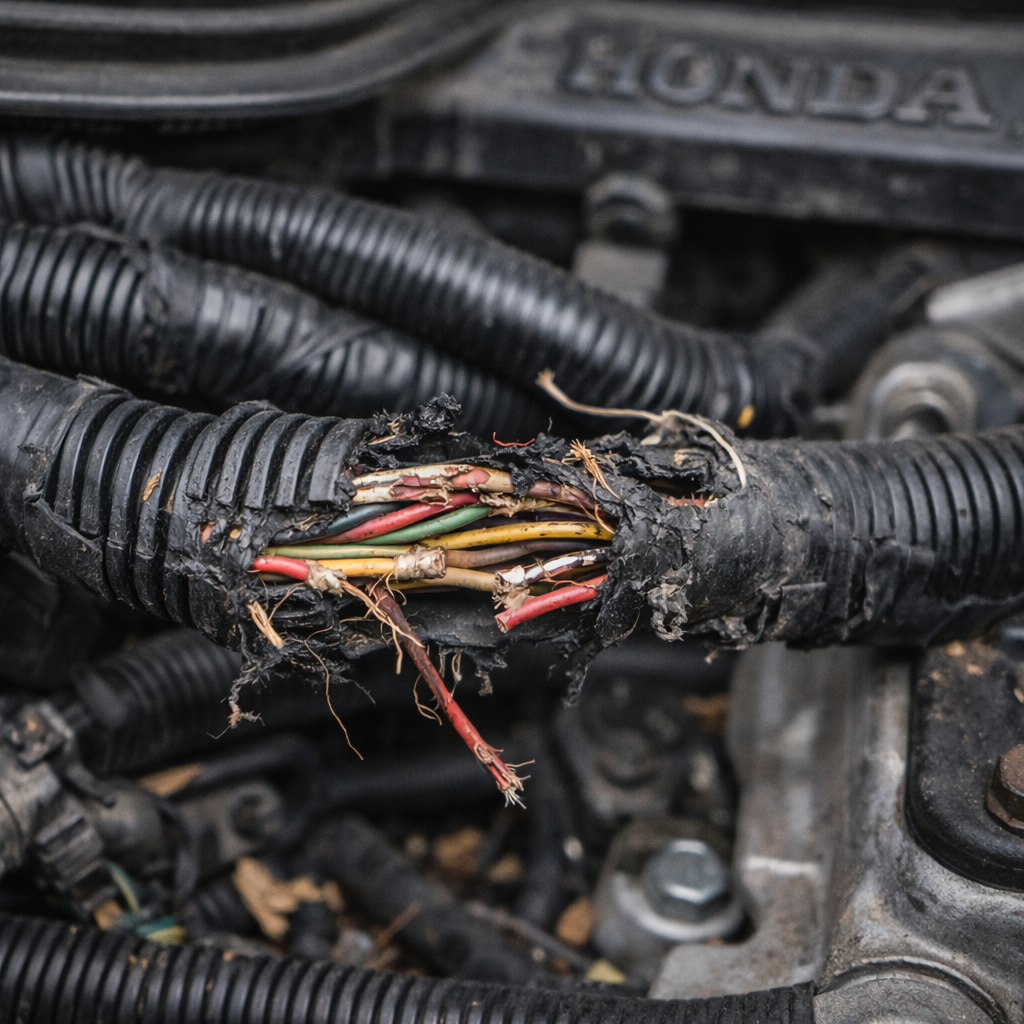
Many drivers first hear about soy-based wiring after discovering chewed wires, warning lights, or a rodent nest under the hood. Repair shops and online forums often blame modern wire insulation made with soy-derived materials.
Some vehicles do use plant-derived materials in components, including certain plastics, coatings, foams, and wiring-related materials. But the claim that mice chew automotive wires because they taste like soy goes further than the available evidence supports.
Quick answer: Soy-derived materials may be used in parts of some modern vehicles, but rodents also chew conventional plastic, rubber, foam, and petroleum-based wire insulation. Cars attract rodents because engine compartments provide shelter, warmth, nesting space, and materials that are easy to gnaw. The practical solution is to reduce rodent access and protect vulnerable wiring rather than focusing only on whether the insulation contains soy.
| Common Claim | What We Know |
|---|---|
| All modern cars have soy-based wiring | Materials vary by automaker, supplier, model, component, and production year. |
| Soy insulation attracts mice because it is food | Rodents chew many materials, and there is no simple proof that soy is the sole cause. |
| Only certain car brands have the problem | Rodent wiring damage is reported across many makes and models. |
| Replacing the damaged wires permanently solves it | Rodents may return unless food, shelter, access, and nesting conditions are also addressed. |
If you are trying to prevent damage, see our comparison of the best rodent repellents for cars. If wires have already been chewed, read our guide to rodent damage car repair costs.
What to do if you are worried about chewed wires:
- Wires already chewed: after the repair, ask your mechanic whether rodent-deterrent tape makes sense on vulnerable wiring.
- Rodents keep returning to the same car: consider an under-hood ultrasonic and LED repeller as one layer.
- Early prevention: start with peppermint rodent spray or Fresh Cab repellent pouches.
- Garage or driveway activity: use cleanup plus an outdoor deterrent such as the ASPECTEK Yard Sentinel.
Soy-based wiring may be part of the story in some vehicles, but rodents chew many materials. The practical goal is to make the engine bay and parking area less inviting.
Why Rodents Chew Car Wires
Before discussing soy-based materials, it’s important to understand a basic fact about rodents: they chew constantly. Mice, rats, squirrels, and other rodents have teeth that never stop growing. To keep those teeth from becoming too long, they gnaw on many different materials they encounter.
Unfortunately, the engine bay of a modern vehicle contains a large number of wires covered with soft insulation. Once rodents enter the engine compartment, those wires can become convenient chewing targets.
If you want to understand the behavior in more detail, our guide on why rodents chew car wires explains the science behind it.
Why Automakers Started Using Soy-Based Materials
Beginning in the early 2000s, many automakers began experimenting with materials derived from renewable resources. Soybeans became one of the most widely used alternatives to petroleum-based plastics and foams.
The shift was driven by several factors:
- Reducing reliance on petroleum-based materials
- Meeting environmental regulations and sustainability targets
- Lowering vehicle manufacturing emissions
- Potential cost advantages when agricultural inputs are cheaper than petroleum
Soy-based materials are now commonly used in several parts of modern vehicles, including:
- Seat cushions and foam padding
- Interior trim components
- Adhesives and coatings
- Some plastic insulation compounds used in wiring harnesses
Ford was one of the earliest major adopters, introducing soy-based seat foam in several vehicles around 2008. Since then, other manufacturers have experimented with bio-based materials in different components throughout the vehicle.
Are Soy-Based Wires Cheaper Than Petroleum-Based Wires?
The price advantage of soy-based materials is one reason automakers explored them. Petroleum-based plastics depend heavily on oil prices, which can fluctuate significantly. Bio-based compounds made partly from agricultural products can sometimes be more stable in price.
However, soy-based materials are rarely used alone. In most cases they are blended with traditional plastics or polymers to create insulation that meets automotive durability standards.
That means the cost difference between soy-based and petroleum-based wiring insulation is usually modest. The primary motivation for automakers has been environmental sustainability rather than dramatic cost savings.
Are Soy-Based Wiring Materials Less Reliable?
There is no strong evidence that soy-based wiring insulation is inherently less reliable than traditional petroleum-based coatings. Automotive wiring must meet strict durability standards for temperature, vibration, and chemical exposure.
Manufacturers design these materials to last the lifetime of the vehicle under normal conditions.
The bigger issue is that all wiring insulation is vulnerable to rodent chewing. Whether the insulation contains petroleum-based plastics or bio-based compounds, rodents are likely to gnaw on it once they enter an engine compartment.
This is why the most effective solution is preventing rodents from entering the engine bay in the first place.
Which Car Brands Use Soy-Based Wiring?
Reports of rodent damage appear across many different brands and models. Drivers have reported problems involving vehicles from manufacturers such as:
- Honda
- Toyota
- Subaru
- Ford
- Nissan
Because rodents can enter almost any engine compartment, the issue is not limited to one specific manufacturer.
Our guide on how mice get into car engines explains how rodents typically climb into vehicles through small gaps under the hood.
How to Protect Your Car’s Wiring
The most effective way to prevent rodent wiring damage is to keep rodents from treating the engine bay like a warm, protected nesting area.
Drivers can reduce the risk by:
- Keeping garbage containers sealed near parking areas
- Removing birdseed, pet food, cardboard, and nesting material from garages
- Inspecting the engine bay periodically
- Using scent deterrents or pouches as a first layer
- Using an under-hood repeller if rodents keep returning to the same vehicle
- Asking about rodent-deterrent tape after wiring repairs
Best product path:
- After chewed wires: rodent-deterrent tape
- Repeat activity around one car: under-hood ultrasonic repeller
- Early prevention: peppermint spray or Fresh Cab pouches
Before buying tape, read our guide to whether rodent-deterrent tape works on car wires, including where it can and cannot be applied.
For more prevention strategies, see our guide to the best rodent repellents for cars.
How Expensive Rodent Wiring Damage Can Be
Rodent damage can be surprisingly expensive because modern vehicles rely on complex electrical systems. Even small sections of damaged wiring can trigger warning lights or sensor failures.
Repair costs can range from a few hundred dollars to several thousand depending on the wiring harness involved.
Our guide on how much rodent damage to a car costs to repair explains the typical costs drivers face.
Whether or not soy-based insulation plays a role, the key takeaway is simple: once rodents get into a car engine, the wiring is often one of the first things they damage.
Write a Reply or Comment