
Updated: July 23, 2026
Get DealyPlanet by email Practical help with insurance claims, expensive repairs and consumer problems.
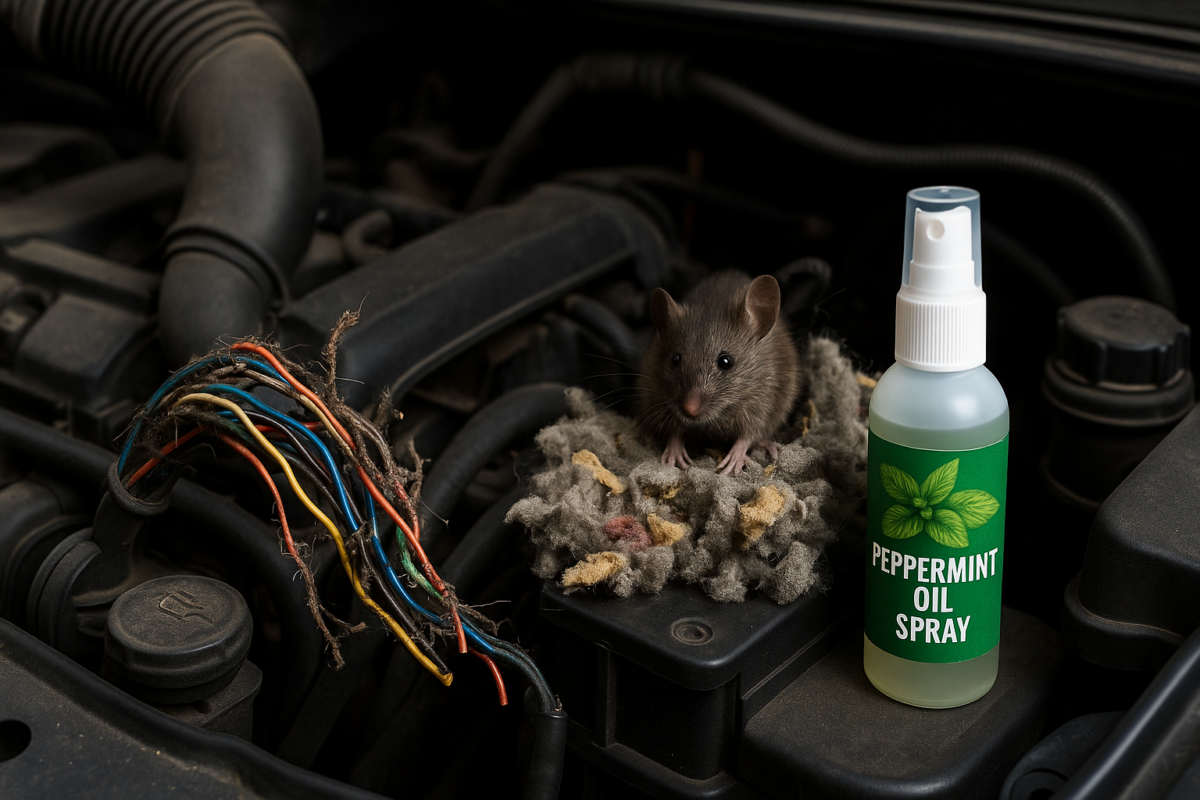
I didn’t realize how common rodent damage was until a mechanic showed me a wiring harness that had been completely chewed apart overnight. Rodents are increasingly targeting parked cars for warmth and nesting material — and the repair bills can reach thousands of dollars if you don’t stop the problem early. Worse, not all car insurance policies automatically cover this kind of damage.
Rodent Damage Prevention Guide
Quick Answer: Does Car Insurance Cover Rodent Damage?
Rodent damage to a car may be covered if you have comprehensive auto insurance. Comprehensive coverage often applies to damage caused by animals, including mice, rats, squirrels, or other rodents chewing wires, nesting in the engine bay, or damaging hoses and filters. Liability-only policies usually do not cover this kind of damage.
Coverage still depends on your policy, deductible, documentation, and whether the insurer treats the damage as a covered animal-related loss. If you find chewed wires, take photos, get a mechanic’s diagnosis, and contact your insurer before throwing away damaged parts or nest material.
| Question | Short Answer |
|---|---|
| Does comprehensive insurance cover rodent damage? | Often yes, if the policy covers animal-related damage and the claim is documented. |
| Does liability insurance cover chewed wires? | No. Liability coverage pays for damage you cause to others, not your own car. |
| Will insurance pay for a wiring harness? | It may, if the damage is covered and repair costs exceed your deductible. |
| Can rodent damage total a car? | Yes. Severe wiring damage can be expensive enough to total an older vehicle. |
| How do you prevent repeat damage? | Clean the area, remove attractants, use layered deterrents, and protect vulnerable wiring. |
But there’s good news: you can protect your car, your wallet, and your peace of mind with a smart combination of prevention strategies and insurance know-how.
Why Rodents Target Cars
Mice, rats, squirrels, and even chipmunks find your engine bay irresistible. Here’s why:
- It’s warm and dark — especially in winter
- It offers protection from predators and the elements
- Rodents chew many types of wiring, insulation, plastic, rubber, and other automotive materials. Some vehicles use plant-derived materials, but soy alone does not explain why rodents damage car wires.
- Garages and parked cars are often undisturbed for long periods
Rodents can enter your vehicle through small openings, build nests under the hood, and chew through wires, hoses, upholstery, or filters.
If you’re wondering why rodents chew car wiring in the first place, this guide explains the behavior and why modern vehicles are vulnerable.
If you’re not sure whether rodents are already active around your home, start by learning the early signs of a rat infestation before you ever see one, since many car damage problems begin nearby rather than inside the vehicle itself.
Why Modern Cars May Be More Vulnerable to Rodent Damage
Many drivers feel like rodent damage to cars is becoming more common, and they may be right. Modern vehicles contain far more wiring, sensors, and electronic systems than older cars did, which means there is simply more material that can be damaged once rodents get inside the engine bay.
Today’s vehicles also rely on tightly packed engine compartments with more plastic covers, insulation, and wiring harnesses. That gives mice and rats more places to hide and more material to chew once they climb in.
Some drivers also believe newer automotive wiring insulation is more appealing to rodents than older materials. Whether that is the main reason or not, the bigger reality is that modern cars are much more dependent on electrical systems. Even a small amount of chewing can trigger warning lights, sensor failures, or expensive repairs.
If you want to understand that issue in more detail, see our guide on soy-based wiring and why rodents chew modern car wires.
Common Types of Rodent Damage to Cars
| Type of Damage | What Happens | Possible Repair Cost |
|---|---|---|
| Chewed wiring | Rodents damage wires, sensors, or wiring harnesses | $200 – $3,000+ |
| Engine nesting | Mice or rats build nests using insulation, leaves, or debris | $100 – $1,000 |
| Chewed hoses | Vacuum, washer, coolant, or other hoses are damaged | $150 – $800 |
| Interior damage | Rodents damage cabin filters, upholstery, or insulation | $200 – $2,000 |
| Severe harness damage | A major wiring harness or electronic system is damaged | $1,000 – total loss |
For a deeper breakdown of repair costs, see our guide on how much rodent damage to a car can cost.
5 DIY Tricks to Rodent-Proof Your Vehicle
Here are affordable, effective strategies to keep pests away:
- Use peppermint oil or rodent deterrent spray
- Soak cotton balls and place them under the hood
- Spray repellent around entry points
- Seal off entry points
- Use steel wool or wire mesh on vents and air intakes
- Avoid food and clutter
- Never leave food wrappers or pet food in or near the car
- Light up the area
- Motion-sensor garage lights and noise deterrents can help
- Pop the hood when parked for long periods
- This makes the area less cozy for nesting rodents
Best Ways to Prevent Rodent Damage to Your Car
If rodents are already active nearby, prevention works best when you combine multiple approaches. Below are the most effective solutions based on homeowner experience and mechanic recommendations.
| Solution | Effectiveness |
|---|---|
| Peppermint rodent spray | Limited when used alone |
| Ultrasonic deterrent | Results vary |
| Rodent-deterrent tape | Useful for vulnerable wiring |
| Garage cleanup and sealing | Strong long-term measure |
| Combined approach | Best overall approach |
If rodents are already active around your vehicle, see our guide on how to keep rodents out of your car engine.
If you are trying to protect a repaired wiring harness, see our newer guide to rodent deterrent tape for car wires.
Does Comprehensive Insurance Cover Rodent Damage?
Comprehensive auto insurance is the coverage most likely to apply to rodent damage. Comprehensive coverage is generally used for non-collision losses such as theft, fire, weather, vandalism, falling objects, and some animal-related damage.
If mice, rats, squirrels, or other rodents chew wiring or damage parts of the vehicle, the claim may fall under comprehensive coverage. That does not mean every claim is automatically paid. Your deductible, documentation, policy language, and the insurer’s view of the loss all matter.
Rodent damage is more likely to be a reasonable insurance claim when:
- the vehicle has comprehensive coverage
- the damage is sudden or recently discovered
- a mechanic documents rodent activity
- repair costs are meaningfully above the deductible
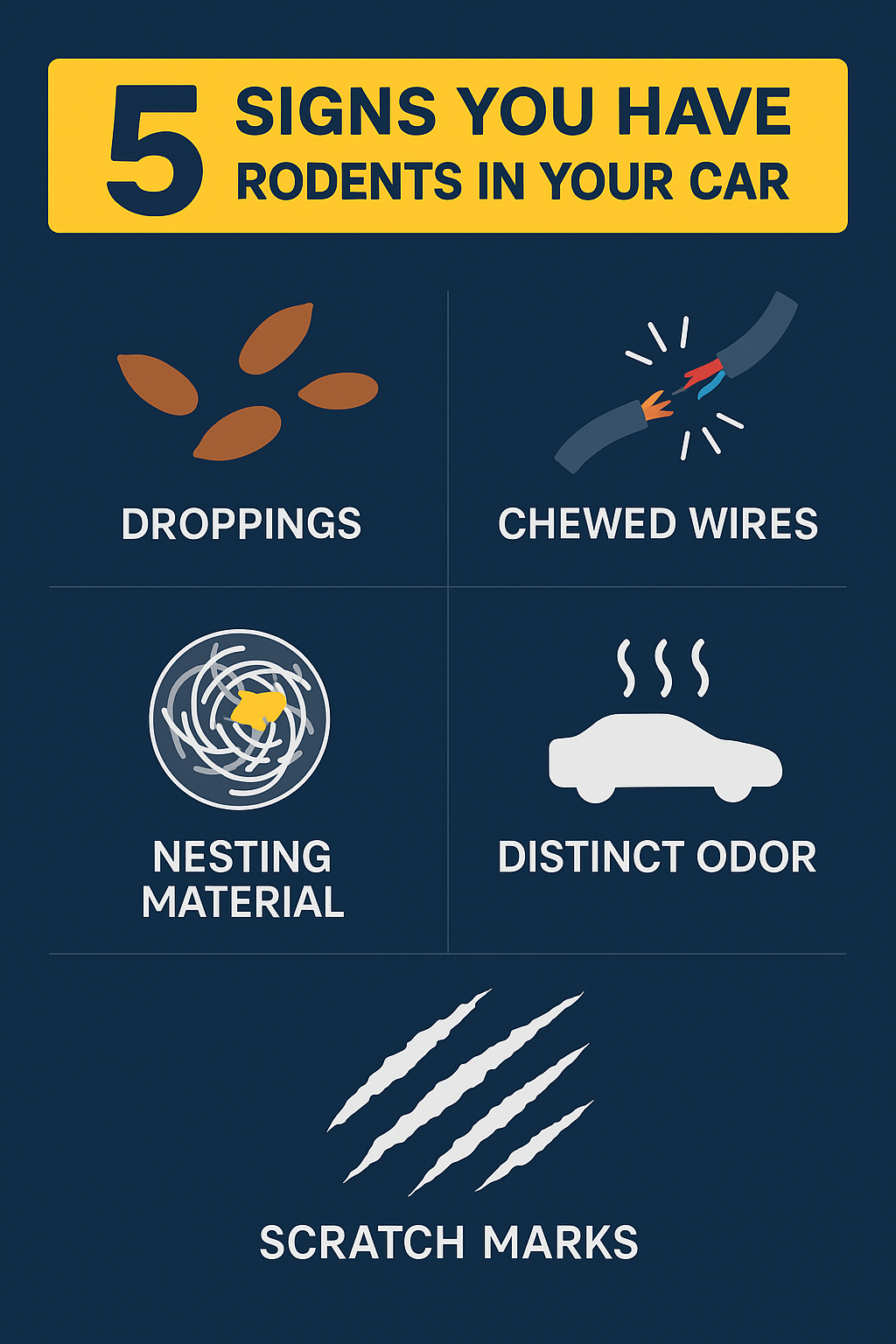
- you have photos of chewed wires, nests, droppings, or damaged parts
It is less likely to help if you only carry liability coverage, if the damage is below your deductible, or if the insurer views the problem as long-term neglect rather than a sudden covered loss.
If you are still unclear on the coverage type, see our guide to what comprehensive auto insurance covers.
How to Maximize Your Claim
If you’ve discovered rodent damage, follow these steps:
- Take clear photos of the damage, nests, or chewed parts
- Get a mechanic’s report stating rodent activity as the cause
- File your claim quickly and honestly
- Include receipts for prior pest-prevention expenses, if applicable
Some insurers may inspect whether you took “reasonable precautions.” Evidence of repellents or deterrents can strengthen your case.
What to Tell Your Auto Insurance Company
When you contact your insurer, be specific and factual. Say that a mechanic found suspected rodent damage, describe the symptoms, and explain whether there were nests, droppings, chewed wires, or other signs of animal activity.
Useful documentation includes:
- photos of chewed wires or damaged parts
- photos of nesting material or droppings
- the mechanic’s written diagnosis
- the repair estimate
- the date you first noticed the problem
- any steps you took to prevent repeat damage
Do not exaggerate the claim. The goal is to make it easy for the insurer to understand why this is an animal-related comprehensive claim rather than an unexplained electrical problem.
More Guides on Rodents and Car Damage
If you’re dealing with rodents around your vehicle, these guides explain the problem in more detail:
- Why Rodents Chew Car Wires
- How Much Rodent Damage to a Car Costs to Repair
- Signs a Rodent Is Living in Your Car
- How Mice Get Into Car Engines
- How to Keep Mice Out of Your Car
- What to Do If You Find a Mouse Nest in Your Car Engine
Frequently Asked Questions
Why do rodents chew car wires?
Rodents chew to wear down their teeth and often pull insulation for nesting. Warm, quiet engine bays make cars an easy target—especially overnight.
When is rodent damage to cars most common?
Rodent car damage often spikes in fall and winter when animals look for warm shelter, but it can happen year-round in garages, barns, and dense neighborhoods.
Can rodent damage total a car?
Yes. If a wiring harness is heavily damaged, repairs can be expensive enough that insurers may consider the vehicle a total loss, especially on older cars.
Will rodents come back after you fix the wiring?
They often do unless you address the root causes. Prevention works best when you combine cleanup, blocking access, and deterrents rather than relying on a single product.
Related Reading on DealyPlanet
 💬
Dealy Planet
💬
Dealy Planet
